AI Tool Pricing Guide 2026: What You’ll Actually Pay (Real Numbers)
AI tool pricing in 2026 is genuinely confusing. That is not an accident.
AI tool pricing in 2026 is no longer just about monthly subscription costs. The real difference between platforms now comes from usage limits, model access, workflow restrictions, and how aggressively companies lock core features behind higher tier plans.
The AI software market has fragmented into at least five distinct pricing models, and different tools mix and match them in ways that make direct comparison genuinely difficult. A per seat tool like Jasper looks expensive compared to a flat rate tool like ChatGPT until you account for team size, where the math reverses. A credit based tool like Midjourney looks cheap until you understand how fast credits deplete at production volume.
This guide cuts through that confusion. It explains every pricing model you will encounter, shows what eight major AI tools actually cost in different usage scenarios, and gives you a framework for building a budget that reflects real world costs rather than marketing page minimums.
The Five AI Pricing Models You Need to Understand
1. Flat Monthly Subscription
You pay a fixed amount per month regardless of how much you use the tool. This is the simplest model and the easiest to budget for. ChatGPT Plus at $20/month and Grammarly Pro at $12/month (annual) are examples. The risk is paying for unused capacity during slow months.
Who this benefits: Users with variable or unpredictable usage who want cost certainty. The cost per use decreases as usage increases, making flat rate tools better value for heavy users.
2. Per Seat (Per User) Pricing
The monthly cost multiplies by the number of people accessing the tool. Jasper charges per seat, meaning a solo user pays $59/month (annual Pro) but a five person team pays $295/month. This model is common in business focused tools where collaboration is a core feature.
The hidden risk: Teams often pay for seats that are not actively used. If three of your five seats generate minimal content, you are effectively paying a premium for two active users. Always audit seat utilization before renewing.
Who this benefits: Small teams where every seat holder actively uses the tool. Less efficient for larger teams with inconsistent usage patterns.
3. Credit Based Pricing
Credits are consumed each time you perform an AI action. Image generation, video rendering, article writing, and API calls are commonly priced in credits. Midjourney charges credits per image generation. Surfer SEO charges credits per Content Editor article. The rate at which credits deplete depends on which model or output quality you select; higher quality outputs often consume more credits per action.
The hidden risk: Credits typically expire at the end of each billing cycle with no rollover on monthly plans. A month where you do not publish content is a month of paid credits that disappear. Annual billing on some platforms gives credits in a yearly batch, providing more flexibility.
Who this benefits: Low to moderate volume users whose usage fits within plan allocations. High volume users often find credit based pricing expensive relative to flat rate alternatives.
4. Per Word or Per Article Pricing
Earlier AI writing tools charged based on words generated. Most have moved away from this model, but it persists in legacy pricing and certain features. Surfer SEO’s AI article generation feature charges per article on top of the base subscription. The risk is that experimentation, revision, and iteration become expensive because every attempt costs money.
Who this benefits: Users who generate polished final outputs with minimal iteration. Poor fit for workflows that require many drafts and revisions.
5. Usage-Based (Pay As You Go)
You pay only for what you consume, with no minimum monthly commitment. API access to most AI models works this way. OpenAI’s API charges per token. Developers and technical teams building AI into products typically use this model. For consumer facing AI tools, true pay as you go is rare, though some platforms offer credit top ups on top of base subscriptions.
Who this benefits: Users with genuinely unpredictable or sporadic usage. Poor fit for teams with consistent daily needs, where per seat or flat rate subscriptions deliver better per unit value.
What Eight Major AI Tools Actually Cost
ChatGPT (OpenAI)
Pricing model: Flat monthly subscription with optional API usage based pricing
The most widely used AI tool in the world offers one of the clearest pricing structures. The free tier provides limited GPT-4o access. Plus at $20/month gives expanded GPT-4o access, image generation via DALL-E, real time web browsing, file analysis, and memory across sessions. Team at $25/user/month (annual billing) adds shared workspace, admin controls, and data privacy protections. Pro at $200/month serves extremely heavy users who need near unlimited access to all models.
What most individuals actually pay: $20/month (Plus) What a 5 person team actually pays: $125/month (Team) Free tier verdict: Genuinely useful for light daily use; Plus upgrade is justified if you use AI multiple times per day
Jasper
Pricing model: Per seat subscription
Jasper is the clearest example of per seat pricing creating sticker shock at team scale. The Pro plan at $59/month per seat (annual billing) or $69/month (monthly) includes full Canvas access, Essential Apps, 2 Brand Voices, and 5 Knowledge Assets. There is no free plan; a 7 day trial requires payment details. The Business plan, required for unlimited Brand Voices, AI Agents, and API access, uses custom pricing.
What a solo user actually pays: $59/month (annual) or $69/month (monthly) What a 5 person team actually pays: $295/month (annual Pro, 5 seats) or $345/month (monthly) Hidden cost alert: Plagiarism checking is an optional pay as you go add-on via Copyleaks credits, not included in any base plan
Copy.ai
Pricing model: Tiered subscription with per user seat variation at scale
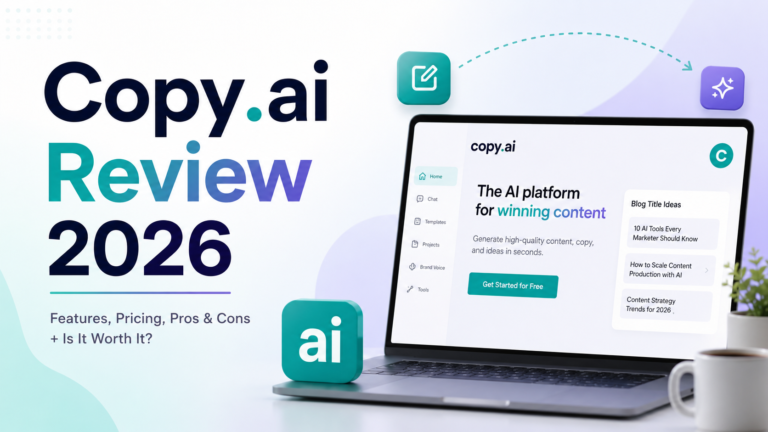
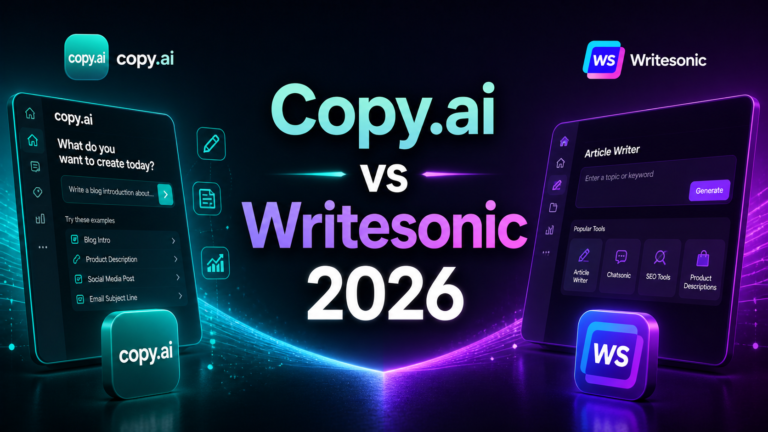
Copy.ai restructured its pricing significantly and now positions itself primarily as a GTM platform for enterprise teams. For individual users and small teams, the Chat plan at $29/month ($24/month annual) provides unlimited word generation and 5 seats. The Pro plan at $49/month ($36/month annual) adds Brand Voice, Infobase, and integrations. The significant jump to $1,000/month+ for workflow automation features means most small users operate within Chat or Pro.
What most individuals actually pay: $29/month (Chat plan) What a 5 person team actually pays: $29/month (Chat plan includes 5 seats, making it one of the best per seat values available) Free tier verdict: Unlimited chat based writing on the free plan is genuinely useful for light use
Grammarly
Pricing model: Flat monthly subscription (individual) with per seat options for teams
Grammarly recently renamed its Premium plan to Pro and restructured its business tiers. The Pro plan at $12/month (annual, billed as $144 upfront) or $30/month (monthly) covers advanced grammar, tone detection, clarity suggestions, plagiarism detection, and 2,000 AI prompts per month. The free tier provides basic grammar and spelling correction with 100 AI prompts per month.
What most individuals actually pay: $12/month (annual) What a 5 person team actually pays: $60/month (5 seats at $12/month annual) Hidden cost alert: The annual plan requires $144 upfront. Monthly billing at $30/month is significantly more expensive but requires no annual commitment. No refunds are issued for cancellation mid cycle.
Surfer SEO
Pricing model: Credit based subscription with base access tiers
Surfer SEO uses a credit system where Content Editor credits are the primary currency. The Essential plan at $99/month ($79/month annual) includes 30 Content Editor credits per month, 5 AI written articles, and 100 page audits. The Scale plan at $219/month ($175/month annual) increases to 100 Content Editor credits. Credits on monthly plans do not roll over; unused credits expire at billing cycle end.
What most individuals actually pay: $79/month (annual Essential) What a team of 5 actually pays: Seat count is not the primary variable; credit volume is. Teams with high article output need Scale at $175/month (annual) Hidden cost alert: The AI Tracker add-on for monitoring brand visibility in AI search results costs $95/month on top of any base plan. The SERP Analyzer is a $29/month add-on on the Essential plan.
Canva AI
Pricing model: Flat monthly subscription with AI features bundled into Pro
Canva’s pricing is among the simplest on this list. The free tier includes limited Magic Media (AI image and video generation) credits. Canva Pro at $15/month includes the full Magic Studio suite with unlimited brand kits, 1TB storage, and premium templates alongside all AI features. Canva Teams at $10/user/month (minimum 3 users) adds collaboration features and team brand controls.
What most individuals actually pay: $15/month (Pro) What a 5 person team actually pays: $50/month (Teams plan at $10/user/month) Free tier verdict: Functional for basic design work; AI generation credits on the free tier are modest and run out quickly for production use
Midjourney
Pricing model: Credit based subscription with Relax mode for unlimited generation at slower speeds
Midjourney uses GPU minutes as its credit currency. The Basic plan at $10/month provides approximately 200 fast image generations per month. The Standard plan at $30/month includes 15 fast GPU hours plus unlimited Relax mode generations (slower processing queue). The Pro plan at $60/month doubles fast GPU hours and adds Stealth Mode for private image generation. Annual billing saves 20% across all tiers. There is no free trial.
What most individuals actually pay: $30/month (Standard, the sweet spot for regular users due to unlimited Relax mode) What a team actually pays: Each member needs their own subscription; no multi seat pricing exists Hidden cost alert: Images are public by default on Basic and Standard plans. Stealth Mode for private generation requires the Pro plan at $60/month.
Descript
Pricing model: Tiered subscription with media minutes and AI credits as the primary usage variables
Descript prices by combination of media hours (how much audio/video you can edit per month) and AI credits (consumed when using Underlord AI features like filler word removal, Studio Sound, and clip generation). The free plan includes 60 minutes of media and 100 one time AI credits. The Creator plan at $24/month (billed monthly) or $24/month (annual note: pricing tiers vary by source; verify on the official site) provides 30 hours of media and 800 AI credits. Annual billing saves up to 35%.
What most individuals actually pay: $24/month (Creator, annual billing) What a team actually pays: Business at $65/month ($50/month annual) for 40 hours of media and team Brand Studio Hidden cost alert: AI credits deplete faster during intensive editing sessions than most users anticipate. Monitor credit usage carefully and plan to conserve credits for the Underlord features that matter most.
“Pricing is subject to change. Always verify current pricing on the tool’s official website before purchasing.”
How to Choose Based on Your Budget
Under $25/month (Solo, Starting Out)
ChatGPT Plus at $20/month is the highest priority single investment. It covers writing, research, coding, and image generation across more use cases than any other tool at this price. Add Grammarly’s free tier for communication quality with no additional cost. Canva’s free tier covers basic design. Copy.ai’s free tier provides unlimited chat based copywriting. This free and near free stack is functional for occasional professional use.
$25 to $75/month (Freelancer or Solo Professional)
ChatGPT Plus ($20/month) plus Grammarly Pro ($12/month annual) is the foundation. Add a third tool based on your primary deliverable: Canva Pro ($15/month) for visual content, Descript Creator ($24/month) for audio and video, Midjourney Standard ($30/month) for image generation, or Otter.ai Pro ($8.33/month annual) for meeting transcription. Total spend in this range: $40 to $65/month covering the most common professional AI needs.
$75 to $150/month (Content Focused Professional)
At this budget level, Surfer SEO’s Essential plan ($79/month annual) becomes viable for content creators dependent on organic traffic. Adding ChatGPT Plus, Grammarly Pro, and Surfer SEO gives a complete content writing and optimization stack for approximately $111/month. Alternatively, Jasper’s Pro plan ($59/month annual) plus ChatGPT Plus ($20/month) gives both general AI capability and brand consistent marketing copy for $79/month.
Above $150/month (Team or Agency)
Per seat tools become the primary cost variable at this level. A 5 person team’s AI tool costs range from $50/month (Copy.ai Chat, which includes 5 seats) to $295/month (Jasper Pro, 5 seats). Audit actual seat utilization before committing to per seat subscriptions at team scale, and negotiate annual billing to capture 15 to 25% discounts across most platforms. The most expensive combination mistake at team scale is running both Jasper and ChatGPT Plus for every seat when most users are generating output with one tool and editing with the other.
Frequently Asked Questions
Why does my actual monthly spend always end up higher than the advertised price?
Three reasons account for most billing surprises. First, the advertised price is almost always the annual rate divided by 12, while the actual charge is the full year upfront. Second, the plan shown in advertising typically lacks at least one feature you need, and the next tier costs significantly more. Third, many tools charge separately for AI features on top of the base platform: Freshdesk charges for AI bot sessions on top of the agent subscription, Surfer SEO charges separately for the AI Tracker and SERP Analyzer, and Jasper charges for plagiarism checking through a third party add-on. Before purchasing any AI tool, read the full pricing page rather than the plan comparison table, and check what is excluded from the base plan.
Which AI tools are genuinely worth paying for versus using free tiers?
The free tiers that replace real paid functionality in 2026 are: ChatGPT’s free tier for occasional writing and research, Grammarly’s free tier for basic grammar correction, Copy.ai’s free tier for unlimited chat based copywriting, and Canva’s free tier for basic design work. The paid upgrades that consistently justify their cost are: ChatGPT Plus at $20/month for daily professional use (the memory, image generation, and browsing features are meaningful), Grammarly Pro at $12/month annual for anyone sending client facing communications regularly, and Descript Creator at $24/month for weekly audio or video producers. Midjourney Standard at $30/month is the most defensible image generation investment if visual quality is a professional requirement.
How much does AI tool pricing change year over year?
Frequently. Copy.ai completely restructured its pricing in 2024. Jasper consolidated from five tiers to two. Notion moved AI from an optional add-on to a Business tier bundle in May 2025. Surfer SEO added consumption based AI article pricing. Most tools adjust pricing one to two times per year, often adding new tiers or restructuring credit allocations. The safest purchasing habit is to verify current pricing directly on the vendor’s official pricing page before subscribing or renewing, regardless of what you remember from a previous visit or what a third party review states. This is particularly important for annual subscriptions where the commitment and upfront cost are significant.
Final Verdict
AI tool pricing in 2026 rewards buyers who understand the pricing model before signing up and punishes those who rely on the headline figure alone. The most common mistakes are: subscribing to per seat tools for teams where most seats sit unused, paying monthly rates when annual rates are available and the commitment makes sense, adding credit based tools without tracking credit consumption velocity, and assuming the advertised AI features are included in the base plan.
The genuinely good news is that the free tier landscape has never been stronger. ChatGPT, Grammarly, Canva, and Copy.ai all provide meaningfully functional free access. A disciplined freelancer or small team can build an effective AI workflow at zero cost and upgrade only when specific features become a genuine bottleneck.
For most individuals and small teams, the highest value paid stack in 2026 is ChatGPT Plus ($20/month) plus Grammarly Pro ($12/month annual). That combination costs $32/month, covers the majority of professional writing and communication needs, and outperforms larger stacks where most subscriptions go underused. Add a third tool when you identify a specific recurring time drain that the existing stack does not address, and verify the pricing model before committing so there are no billing surprises at renewal.
“Pricing is subject to change. Always verify current pricing on the tool’s official website before purchasing.”